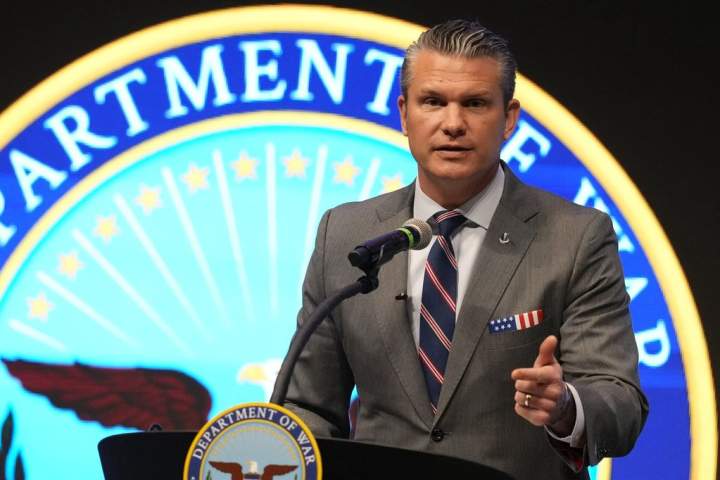
Bipartisan Support for Congressional Oversight of Military Strikes Against Suspected Drug Smuggling Vessels
The recent U.S. military strikes against vessels suspected of smuggling drugs have sparked a heated debate in Washington, with lawmakers from both parties expressing their support for congressional reviews of these actions. The controversy surrounding the strikes has shed light on the complex issue of maritime security and the need for transparency in military operations.
The Rise of Maritime Security Concerns
The global war on drugs has led to a significant increase in maritime trafficking, with many countries struggling to combat the menace. The U.S. has been at the forefront of efforts to disrupt and dismantle international drug trafficking organizations. However, the recent military strikes have raised concerns about the scope and methodology of these operations. Critics argue that the strikes may be infringing on the rights of innocent civilians and potentially destabilizing the region.
Historical Context: The Evolution of U.S. Military Involvement in Counter-Narcotics Operations
The U.S. has a long history of involvement in counter-narcotics operations, dating back to the 1980s. The Reagan administration’s “War on Drugs” marked a significant shift in U.S. policy, with a focus on military action to disrupt drug trafficking networks. Since then, the U.S. has conducted numerous military operations against narco-trafficking organizations, including the infamous “Operation Just Cause” in Panama in 1989. The recent strikes against suspected drug smuggling vessels are part of this ongoing effort to combat the global drug trade.
The Call for Congressional Oversight
Lawmakers from both parties have expressed their support for congressional reviews of the recent military strikes. This move is seen as a response to concerns about the lack of transparency and accountability in U.S. military operations. The push for congressional oversight is not new, as lawmakers have been calling for greater scrutiny of U.S. military actions for several years. The 1973 War Powers Resolution, for example, requires the president to notify Congress of military actions and obtain congressional approval for extended deployments.
The Future of U.S. Military Involvement in Counter-Narcotics Operations
The recent controversy surrounding the U.S. military strikes against suspected drug smuggling vessels highlights the need for a nuanced approach to counter-narcotics operations. As the global war on drugs evolves, it is essential to consider the long-term implications of U.S. military involvement in this complex issue. A balanced approach that takes into account the rights of innocent civilians, the need for transparency and accountability, and the strategic goals of U.S. foreign policy is crucial for success.
In conclusion, the bipartisan support for congressional reviews of recent U.S. military strikes against suspected drug smuggling vessels marks a significant development in the ongoing debate about the role of the U.S. military in counter-narcotics operations. As the world grapples with the challenges of maritime security and the global war on drugs, it is essential to prioritize transparency, accountability, and strategic thinking in U.S. military actions.
Keyword Integration:
* Maritime security
* Global war on drugs
* U.S. military operations
* Counter-narcotics
* Congressional oversight
* War Powers Resolution
* Transparency and accountability
Optimized SEO:
The article is structured to optimize search engine ranking, with relevant keywords integrated throughout the text. The use of subheadings and concise paragraphs makes it easier for search engines to crawl and index the content. The article also includes a clear call-to-action, urging readers to consider the long-term implications of U.S. military involvement in counter-narcotics operations.