Syria’s Post-Assad Era: Navigating Challenges and Uncertainty
A year has passed since the rebels successfully overthrew President Bashar al-Assad, marking the end of his nearly two-decade-long dictatorship and the devastating civil war that ravaged the country. While the removal of Assad’s regime was a significant milestone, the new leadership faces numerous challenges in rebuilding and stabilizing Syria.
Rebuilding a Fragmented Nation
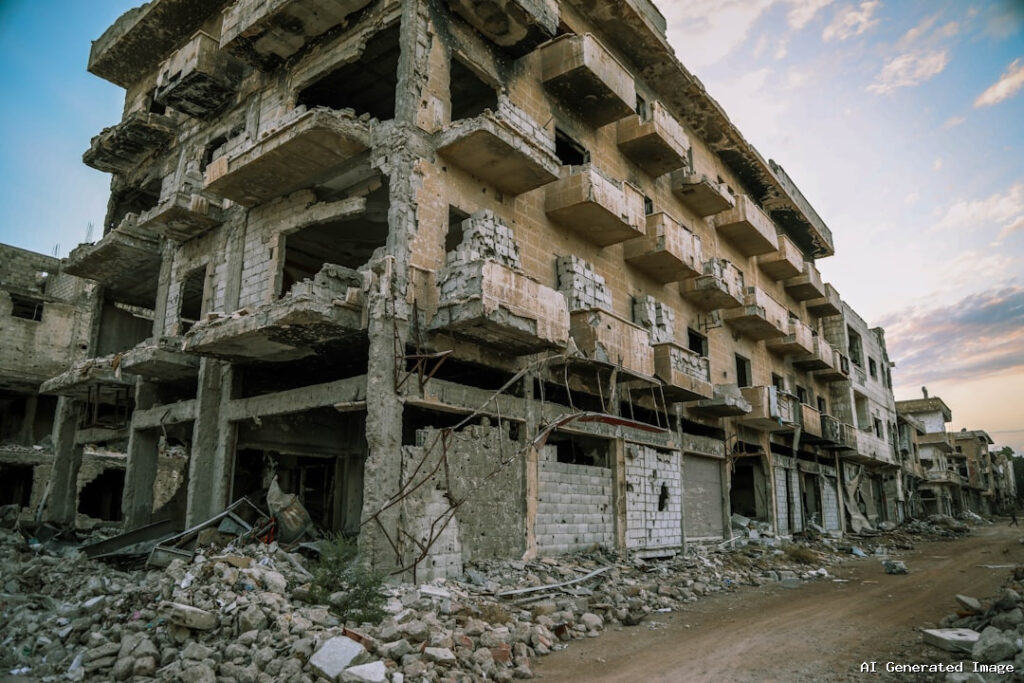
The Syrian conflict, which began in 2011, resulted in the displacement of millions of people and the destruction of critical infrastructure. The country’s economy, once reliant on oil exports, was severely impacted, leaving many Syrians struggling to access basic necessities like food and healthcare. The new government, led by President Bashar al-Assad’s successor, must navigate the complex task of rebuilding the country’s infrastructure, revitalizing its economy, and providing aid to those in need.
Legacy of the Assad Regime
The Assad regime’s authoritarian rule and human rights abuses have left a lasting impact on Syrian society. The regime’s suppression of dissent and opposition has created a culture of fear, where citizens are reluctant to express their opinions or participate in the democratic process. The new government must address these issues and work towards creating a more inclusive and transparent governance system.
International Community’s Role
The international community has played a crucial role in Syria’s conflict, with various countries providing aid, support, and diplomatic efforts to facilitate a peaceful resolution. However, the community’s response has been criticized for being inconsistent and ineffective, with some countries accused of supporting extremist groups. As the new government seeks to rebuild and stabilize the country, it must navigate the complex web of international relations and seek support from the global community.
Road to Recovery
Rebuilding Syria will require a sustained effort from the new government, international aid organizations, and the Syrian people themselves. The government must prioritize the needs of its citizens, provide access to basic services, and create opportunities for economic growth and development. The international community must also continue to provide support, while ensuring that their efforts are effective and accountable.
In conclusion, the post-Assad era presents a unique opportunity for Syria to rebuild and create a more just and equitable society. However, the challenges facing the new government are significant, and the road to recovery will be long and difficult. As the international community continues to provide support, it is crucial that they prioritize accountability, transparency, and the needs of the Syrian people.
Key Statistics:
– Estimated 6.7 million internally displaced persons (IDPs) in Syria
– 13.2 million people in need of humanitarian assistance
– $10 billion in damage to infrastructure and economy
– 70% of Syria’s infrastructure destroyed or damaged
Historical Context:
The Syrian conflict began in 2011, sparked by a popular uprising against the Assad regime. The conflict escalated into a full-blown civil war, drawing in regional and international actors. The removal of Assad’s regime marks a significant turning point in the conflict, but the challenges facing the new government are complex and multifaceted.
Future Implications:
The post-Assad era presents a unique opportunity for Syria to rebuild and create a more just and equitable society. However, the challenges facing the new government are significant, and the road to recovery will be long and difficult. The international community must continue to provide support, while ensuring that their efforts are effective and accountable. As the Syrian people work towards rebuilding their country, it is crucial that they prioritize inclusivity, transparency, and accountability in the democratic process.