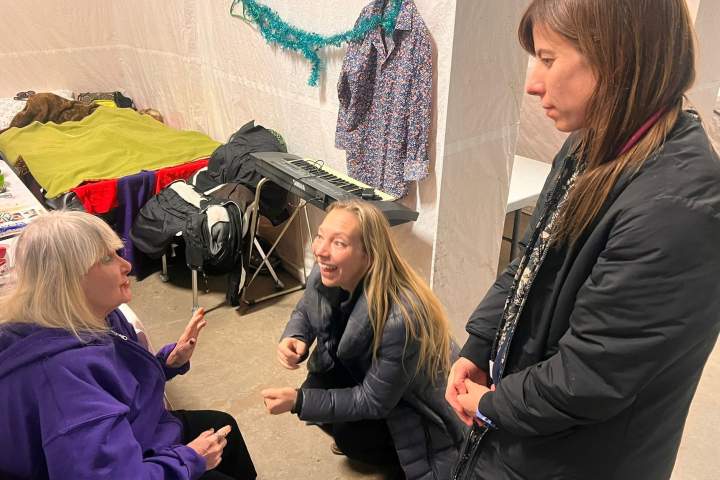
Providing Compassionate End-of-Life Care to Montreal’s Homeless Population
In a groundbreaking initiative, a dedicated team of healthcare professionals in Montreal is addressing a critical gap in care by providing end-of-life support to individuals experiencing homelessness in the city. This compassionate effort aims to offer dignity, respect, and quality of life to those who often face significant barriers in accessing essential healthcare services.
The Alarming State of Homelessness and End-of-Life Care
According to recent statistics, Montreal’s homeless population continues to struggle with inadequate access to healthcare, including palliative care. Studies have shown that individuals experiencing homelessness are disproportionately affected by chronic illnesses, mental health conditions, and substance abuse, increasing their risk of premature mortality. The lack of end-of-life care options for this population exacerbates the emotional and psychological distress faced by those who are dying.
Historical Context: Addressing Homelessness and Healthcare Disparities
The issue of homelessness and inadequate end-of-life care is not unique to Montreal. In the United States, for example, the Affordable Care Act (ACA) aimed to address healthcare disparities, including those affecting homeless individuals. However, implementation challenges and ongoing policy debates have hindered progress in providing comprehensive care to vulnerable populations. Similarly, in Canada, the recent report from the Canadian Institute for Health Information (CIHI) highlighted the need for improved healthcare services for individuals experiencing homelessness.
The Montreal Initiative: Breaking Down Barriers
The compassionate team of healthcare professionals in Montreal is working to break down the barriers that prevent homeless individuals from accessing end-of-life care. By establishing a specialized palliative care program, they are addressing the unique needs of this population, including addressing physical and psychological distress, managing pain, and providing emotional support to patients and their loved ones.
Key Components of the Initiative
The Montreal initiative focuses on several key components:
1. **Collaborative care approach**: The team of healthcare professionals works in collaboration with local service providers, social workers, and community organizations to ensure a comprehensive and coordinated response to the needs of homeless individuals.
2. **Home-based care**: The team provides end-of-life care in the patient’s home or a designated facility, reducing the need for hospitalization and allowing for a more comfortable and familiar environment.
3. **Palliative care education**: The team offers education and training to healthcare professionals and community members on providing end-of-life care to homeless individuals, promoting a culture of compassion and understanding.
4. **Advocacy and policy reform**: The initiative aims to inform policy decisions and advocate for systemic changes that address the root causes of homelessness and improve access to healthcare services for vulnerable populations.
Conclusion: A Beacon of Hope for Montreal’s Homeless Population
The Montreal initiative offers a beacon of hope for individuals experiencing homelessness in the city, providing a compassionate and dignified approach to end-of-life care. As this effort continues to grow and evolve, it serves as a model for other cities and communities to address the complex needs of homeless populations. By prioritizing the well-being and dignity of vulnerable individuals, we can work towards creating a more just and equitable society for all.