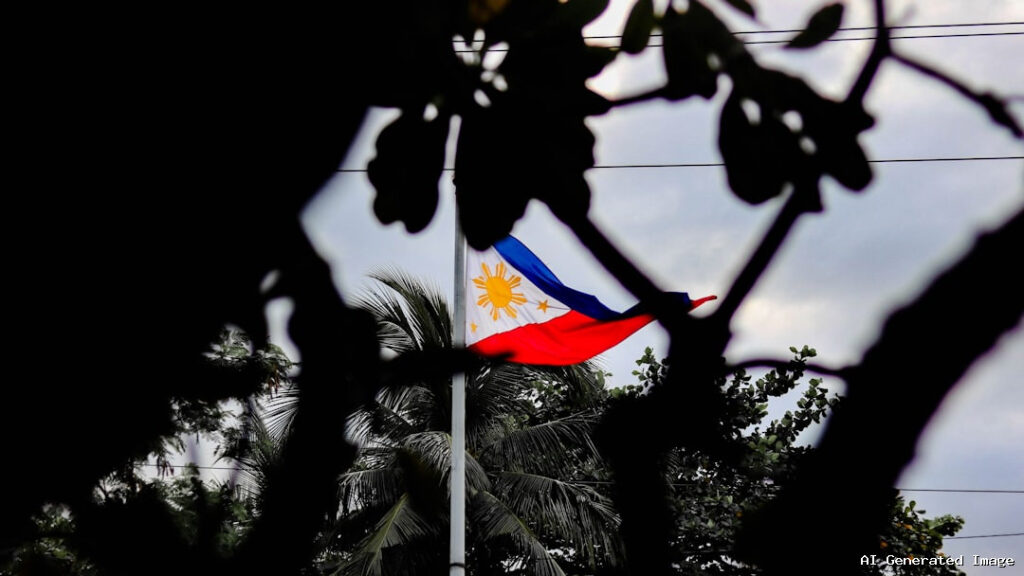
Phlippines’ Presidential Scandal: A Growing Concern
The Philippines is currently grappling with a major graft scandal, with President Ferdinand R. Marcos Jr. at the center of the controversy. At the forefront of the opposition is his sister, Senator Imee Marcos, who has been vocal about her concerns regarding the alleged corruption. This massive scandal raises questions about the state of governance in the country and the potential implications for the presidency of President Marcos Jr.
A Family Affair: The Marcos Legacy
The Marcos family has a long and complex history in the Philippines. Former President Ferdinand E. Marcos Sr.’s authoritarian regime was marked by widespread corruption, human rights abuses, and economic mismanagement. The family’s return to power with the presidency of Ferdinand R. Marcos Jr. has sparked fears that the country may be repeating the mistakes of the past. Senator Imee Marcos’s involvement in the current graft scandal has further fueled these concerns, as she is seen as a key figure in the administration.
The Scandal Unfolds
The graft scandal involves several high-profile government officials, including those close to the president. The allegations center around massive embezzlement, bribery, and other forms of corruption. Senator Imee Marcos has been critical of the administration’s handling of the scandal, calling for greater transparency and accountability. Her involvement in the opposition has raised questions about her own role in the administration and her potential knowledge of the alleged corruption.
Historical Context: A Repeating Pattern
The current graft scandal is not an isolated incident, but rather a continuation of a pattern of corruption that has plagued the Philippines for decades. The country has struggled with issues of governance and accountability, with previous administrations facing similar scandals. The Marcos family’s return to power has raised concerns that the country may be repeating the mistakes of the past.
Future Implications: A Presidential Crisis
The graft scandal has significant implications for the presidency of Ferdinand R. Marcos Jr. The scandal has already sparked widespread protests and calls for his resignation. If the allegations are proven true, it could lead to a constitutional crisis, with potential consequences for the country’s democratic institutions. The opposition, led by Senator Imee Marcos, will continue to push for greater transparency and accountability, potentially leading to a showdown with the administration.
Conclusion: A Wake-Up Call for the Philippines
The Philippines is at a critical juncture, with the graft scandal serving as a wake-up call for the country. The controversy has raised questions about the state of governance and the potential implications for the presidency of Ferdinand R. Marcos Jr. As the scandal unfolds, the country will be watching closely to see how the administration responds to the allegations. The opposition, led by Senator Imee Marcos, will continue to push for greater transparency and accountability, potentially leading to a showdown with the administration. The future of the Philippines hangs in the balance, and the outcome of this scandal will have far-reaching implications for the country’s democratic institutions and the presidency of Ferdinand R. Marcos Jr.
**Keywords:** Philippines graft scandal, President Ferdinand R. Marcos Jr., Senator Imee Marcos, corruption, governance, accountability, democracy.