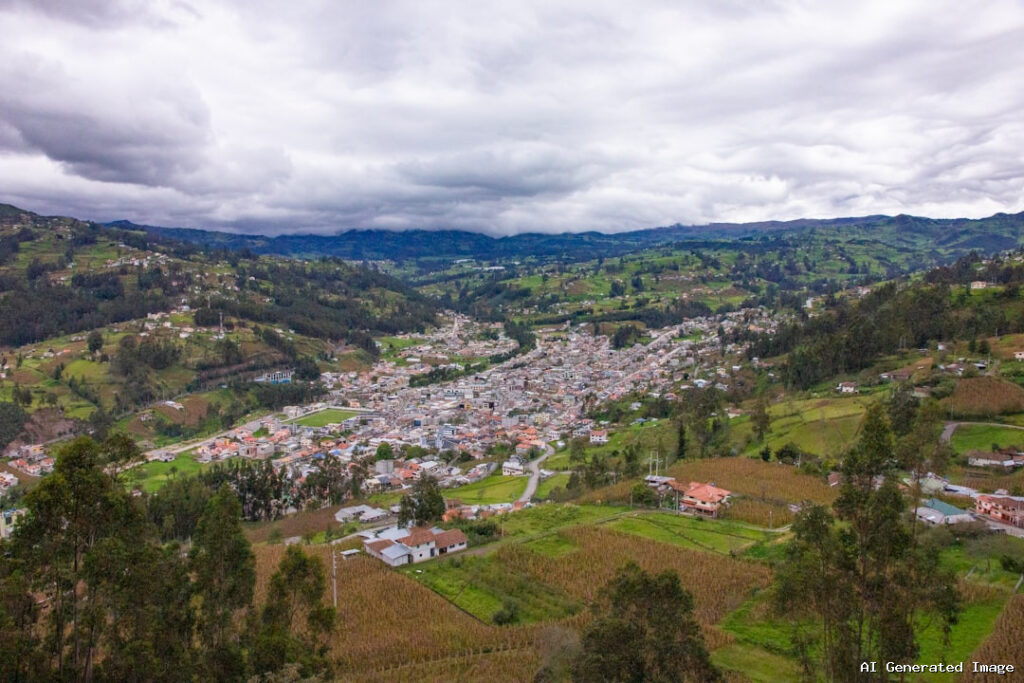
The Unintended Consequences of the Fentanyl Crackdown: Ecuador’s Rising Cocaine Trade
In recent years, the United States has made combating fentanyl a top priority, with law enforcement agencies and policymakers focusing on disrupting the flow of synthetic opioids into the country. However, as authorities have zeroed in on fentanyl, another illicit substance has begun to fill the void: cocaine. Ecuador, a country on the northern coast of South America, has emerged as a key player in this shifting global market.
A Perfect Storm of Circumstances
Ecuador’s cocaine trade has surged in the wake of increased fentanyl-related enforcement efforts. The country’s geography, which straddles the equator and borders Colombia, makes it an ideal transit point for cocaine shipments bound for the United States and Europe. Additionally, the rise of transnational organized crime groups has transformed Ecuador into a hub for cocaine trafficking, with these groups leveraging the country’s porous borders and lax law enforcement to their advantage.
Historical Context: The Evolution of Cocaine Trafficking
Cocaine has long been a major player in global illicit markets, but its trajectory has shifted significantly over the years. In the 1980s and 1990s, cocaine trafficking was largely dominated by Colombian cartels, which controlled the supply chain from cultivation to distribution. However, the rise of Mexican cartels in the 2000s and 2010s led to a shift in the global cocaine market, with Mexico becoming a major producer and distributor of the substance.
The current shift in the global cocaine market, with Ecuador emerging as a key player, is a result of a combination of factors, including the decline of Mexican cartels due to increased enforcement efforts and the rise of new players in the market, including Ecuadorian and Peruvian groups. This shift also highlights the dynamic nature of global illicit markets, where changes in law enforcement strategies can have far-reaching and unpredictable consequences.
The Human Cost of Cocaine Trafficking
The resurgence of cocaine trafficking in Ecuador has severe consequences for the country’s citizens, who are often caught in the crossfire of violent conflicts between rival gangs and law enforcement agencies. According to reports from human rights organizations, Ecuador has seen a significant increase in homicides and other violent crimes linked to cocaine trafficking, with many innocent civilians caught in the midst of the chaos.
Conclusion
The surge in cocaine trafficking in Ecuador serves as a stark reminder of the unintended consequences of law enforcement strategies aimed at combating one illicit substance. As policymakers and law enforcement agencies continue to grapple with the challenges posed by fentanyl and other synthetic opioids, they must also consider the broader implications of their actions on global illicit markets. By understanding the complex dynamics at play, policymakers can develop more effective strategies to combat illicit trafficking, protect vulnerable communities, and prevent the rise of new threats in the shadows of the law.