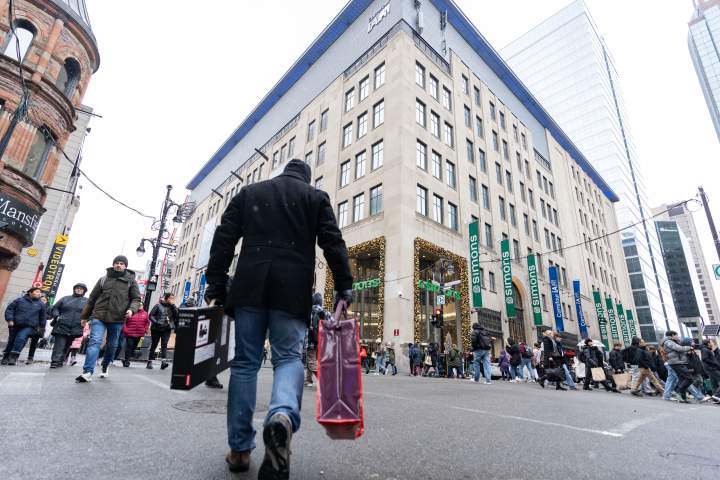
Black Friday Shoppers Turn to Buy Now, Pay Later Options
The Black Friday holiday shopping period has long been a time of heightened consumer activity, with many retailers offering deep discounts and promotions to attract customers. However, this year’s data suggests that shoppers are increasingly turning to alternative payment methods, specifically buy now, pay later (BNPL) programs. According to recent statistics, a significant increase in customers are financing their purchases using BNPL services.
Rise of Buy Now, Pay Later Programs
The COVID-19 pandemic has accelerated the growth of BNPL programs, which allow consumers to make purchases and pay for them in installments over time. This payment method has gained popularity among young consumers, who may not have access to traditional credit or may be hesitant to use traditional credit cards. BNPL programs have also become increasingly popular among older consumers, who may be looking for more flexible payment options or seeking to avoid interest charges associated with traditional credit cards.
Historical Context: The Evolution of Payment Methods
The shift towards BNPL programs is not a new phenomenon. In the 1990s, retailers such as Circuit City and Best Buy introduced layaway plans, which allowed customers to make payments on purchases over time. However, these plans often came with fees and strict payment schedules, which may have limited their appeal. In contrast, modern BNPL programs often offer more flexible payment terms and no fees for late payments.
Financial Implications: A Double-Edged Sword
The rise of BNPL programs has both positive and negative implications for consumers and retailers. On the one hand, these programs can provide consumers with greater flexibility and access to credit, which may be particularly beneficial for low-income households or those with limited credit histories. On the other hand, BNPL programs can also lead to overspending and debt accumulation, as consumers may be more likely to make impulse purchases or purchase items they cannot afford.
Future Implications: A New Era of Payment Options
The growth of BNPL programs is likely to continue in the coming years, as consumers become increasingly comfortable with digital payment methods and retailers seek to compete with online retailers. As BNPL programs become more widespread, it is essential for consumers to educate themselves on the terms and conditions of these programs, as well as the potential risks and rewards associated with them. Retailers, too, must be mindful of the implications of BNPL programs on consumer behavior and financial well-being.
Conclusion: A Changing Landscape of Consumer Payments
The Black Friday shopping period has long been a benchmark for consumer spending habits. This year’s data suggests that shoppers are increasingly turning to BNPL programs, which offer greater flexibility and access to credit. While these programs have the potential to benefit consumers, they also carry risks and implications that must be carefully considered. As the payment landscape continues to evolve, it is essential for consumers, retailers, and policymakers to be aware of the changing dynamics of consumer payments and the potential consequences of BNPL programs.