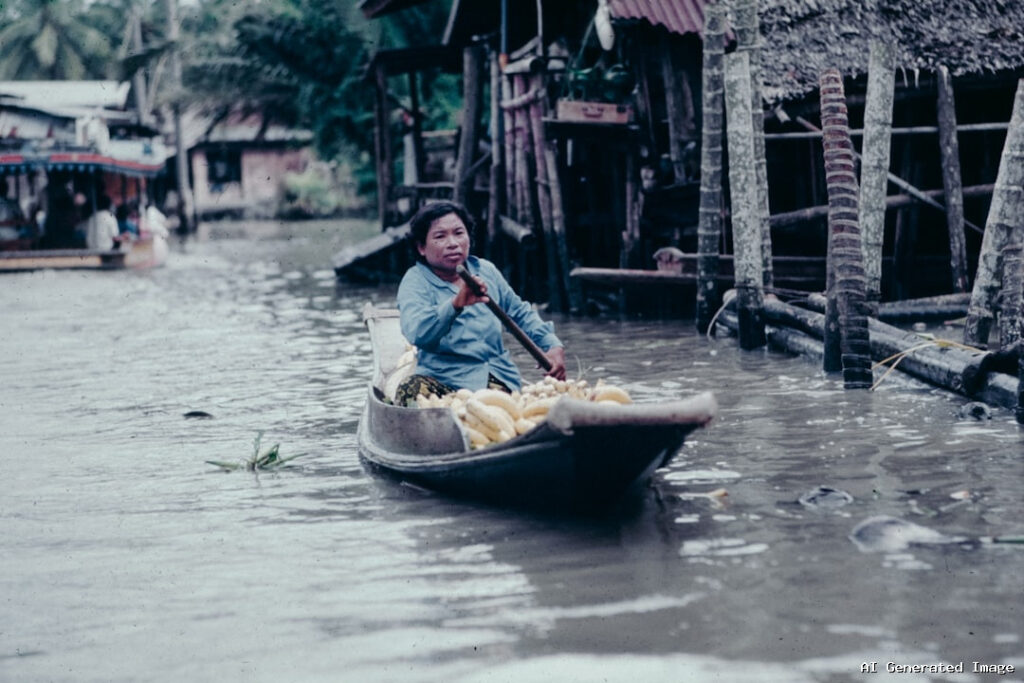
Storms Devastate South and Southeast Asia: A Region in Crisis
In recent weeks, a series of powerful storms has ravaged South and Southeast Asia, leaving a trail of destruction and devastation in its wake. The images emerging from the affected areas are harrowing, with entire communities displaced, infrastructure reduced to rubble, and countless lives lost. As the region struggles to come to terms with the aftermath of these disasters, one thing is clear: climate change is not just a distant threat, but a harsh reality that is already being felt on the ground.
A Region Prone to Natural Disasters
South and Southeast Asia is a region frequently beset by natural disasters, including cyclones, floods, and landslides. The region’s geography, with its extensive coastlines, dense forests, and mountainous terrain, makes it vulnerable to these events. The Indian Ocean, which borders many countries in the region, is home to several cyclone-prone areas, including the Bay of Bengal and the Arabian Sea. Furthermore, the region’s rapid urbanization and lack of effective disaster management infrastructure have exacerbated the impact of these events.
Historical Context: The 2004 Indian Ocean Tsunami
One of the most devastating natural disasters in recent history to affect South and Southeast Asia was the 2004 Indian Ocean tsunami, which struck on December 26, 2004. The tsunami, triggered by a massive earthquake off the coast of Indonesia, caused widespread destruction and loss of life in several countries, including Thailand, Indonesia, Sri Lanka, and India. The disaster resulted in over 230,000 deaths and left millions displaced. While significant progress has been made in disaster preparedness and response since then, the recent storms serve as a stark reminder that the region remains vulnerable to these events.
The Economic and Humanitarian Cost
The economic and humanitarian cost of these recent storms is staggering. In the Philippines, for example, the government has estimated that the damage from a recent typhoon could exceed $1 billion. In Bangladesh, over 1 million people have been displaced due to flooding, with many more at risk of disease and hunger. The human toll is equally devastating, with reports of entire communities wiped out and countless lives lost. As the region struggles to respond to these disasters, concerns about food security, healthcare, and shelter have become a major priority.
A Call to Action: Building Resilience in the Face of Climate Change
As the world watches the devastation unfold in South and Southeast Asia, it is clear that the region needs urgent support to build resilience in the face of climate change. This requires a collective effort from governments, international organizations, and civil society to invest in disaster preparedness and response infrastructure, promote sustainable development, and support vulnerable communities. It also necessitates a fundamental shift in our approach to disaster risk reduction, one that prioritizes early warning systems, evacuation drills, and community-based initiatives. As the region struggles to recover from these recent storms, it is imperative that we learn from these disasters and work together to build a more resilient future.
Conclusion
The storms that have ravaged South and Southeast Asia serve as a stark reminder of the region’s vulnerability to natural disasters. As the world grapples with the challenges of climate change, it is imperative that we prioritize support for disaster-affected communities and invest in building resilience in the face of these events. By doing so, we can help mitigate the impact of future disasters and create a safer, more sustainable future for all.