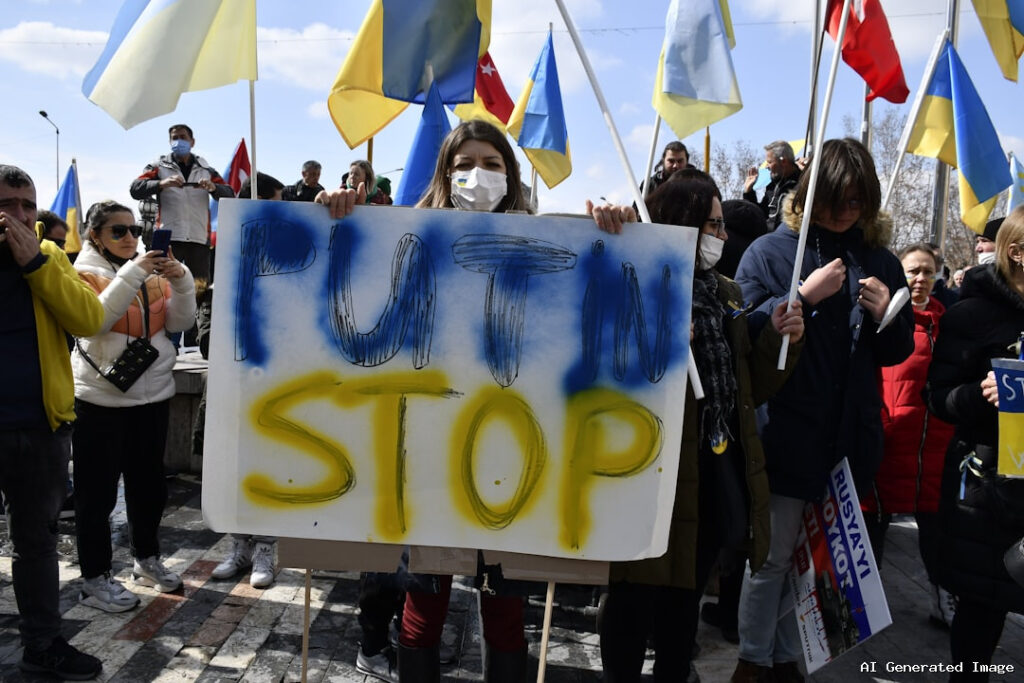
European Leaders Revise Peace Plan to Counter Pro-Russia Bias
In a significant development, European leaders have made a concerted effort to revamp the 28-point peace plan, which was initially drafted with a concerning pro-Russian tilt. The plan, aimed at resolving the ongoing conflict in Eastern Europe, has been the subject of intense scrutiny and criticism from various quarters. After facing opposition and backlash, European leaders have taken steps to reframe the plan, steering it towards a more balanced and inclusive approach.
Historical Context: The Evolution of European Peace Plans
To understand the significance of this development, it is essential to delve into the historical context of European peace plans. The post-Cold War era saw several attempts at promoting peace and stability in the region. However, the complexities of the conflict have made it challenging for European leaders to craft a comprehensive plan that addresses the concerns of all parties involved. The current peace plan, initially drafted with a pro-Russian bias, was seen as a step backward in the peace process.
Pro-Russian Bias: A Threat to European Unity
The initial draft of the peace plan was met with widespread criticism, with many accusing European leaders of kowtowing to Russian interests. This perception was fueled by the plan’s emphasis on Russian concerns, such as the protection of ethnic minorities and the demilitarization of certain regions. Critics argued that this approach would embolden Russian aggression and undermine European unity. The backlash against the plan was so severe that European leaders were forced to reconsider their approach.
Revised Peace Plan: A More Inclusive Approach
In response to the criticism, European leaders have revised the peace plan to address the concerns of all parties involved. The revised plan places greater emphasis on the territorial integrity of Ukraine, the protection of human rights, and the promotion of economic development in the region. This more inclusive approach is seen as a significant departure from the initial draft and has been welcomed by many as a step in the right direction.
Future Implications: A New Era of European Cooperation
The revised peace plan has the potential to usher in a new era of European cooperation. By addressing the concerns of all parties involved, European leaders can create a more stable and secure environment in the region. This, in turn, can lead to increased economic cooperation, improved relations between European countries, and a more unified front against Russian aggression. While challenges remain, the revised peace plan offers a glimmer of hope for a more peaceful and prosperous future in Eastern Europe.
Conclusion: A Path Forward
The revised peace plan is a significant development in the ongoing conflict in Eastern Europe. By addressing the concerns of all parties involved, European leaders have taken a crucial step towards promoting peace and stability in the region. As European leaders continue to navigate the complexities of the conflict, it is essential to remain vigilant and committed to the principles of unity, cooperation, and inclusivity. Only through a collaborative and balanced approach can European leaders hope to achieve a lasting peace in Eastern Europe.