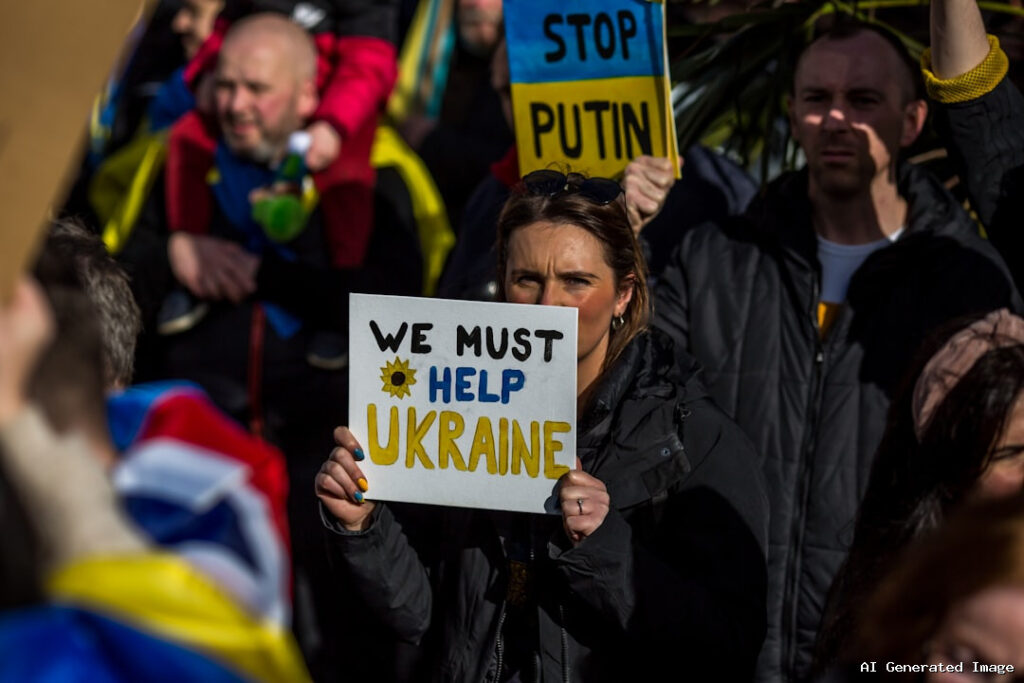
Kremlin’s Leadership Shift: Implications for Ukraine and Europe’s Negotiation Efforts
The ongoing conflict between Ukraine and Russian-backed separatists has taken a new turn, with the Kremlin’s leader adopting a more passive stance amidst Europe’s attempts to negotiate a resolution to the war. As Ukraine and European leaders scramble to address the proposed U.S. peace plan, the Kremlin’s sudden retreat from the spotlight raises questions about the underlying motivations and potential consequences of this shift.
A Delicate Balance of Power
The conflict in Ukraine has been a persistent source of tension between Russia and the West, with the U.S. proposing a peace plan aimed at ending the war. The plan, which includes a ceasefire and territorial concessions, has been met with skepticism by some Ukrainian and European leaders, who argue that it does not adequately address the root causes of the conflict. Meanwhile, the Kremlin’s leadership has been criticized for its role in perpetuating the violence, with some accusing Moscow of using the conflict as a means of exerting its influence in the region.
A Shift in Strategy?
The Kremlin’s sudden withdrawal from the negotiation process has caught many observers off guard. Some analysts suggest that the Kremlin’s leader may be seeking to avoid further diplomatic pressure and criticism, particularly in the wake of recent international sanctions. Others believe that the Kremlin may be waiting for a more favorable opportunity to re-enter the negotiations, potentially with a revised proposal that better aligns with its interests.
Regional and Global Implications
The implications of the Kremlin’s shift in strategy are far-reaching and significant. On the one hand, the U.S. proposal may gain more traction in the absence of the Kremlin’s opposition, potentially leading to a breakthrough in the negotiations. On the other hand, the Kremlin’s withdrawal may create a power vacuum, allowing other regional actors to exert their influence in the region. This could have significant implications for European security and stability, particularly if the conflict were to escalate further.
A New Era of Diplomacy?
The Kremlin’s leadership shift raises questions about the future of diplomacy in the region. Will the Kremlin’s withdrawal from the negotiations lead to a more collaborative and inclusive approach to conflict resolution, or will it exacerbate the existing divisions? As Ukraine and European leaders continue to navigate the complex web of interests and motivations, one thing is clear: the path forward will require a delicate balance of power and a commitment to finding a lasting solution to the conflict.
Conclusion
The Kremlin’s leadership shift has thrown a wrench into the works of Ukraine and Europe’s negotiation efforts. As the situation continues to unfold, one thing is certain: the stakes are high, and the consequences of failure will be dire. As the international community watches with bated breath, one question remains: what does the future hold for Ukraine, Europe, and the Kremlin’s leadership in this complex and volatile conflict?