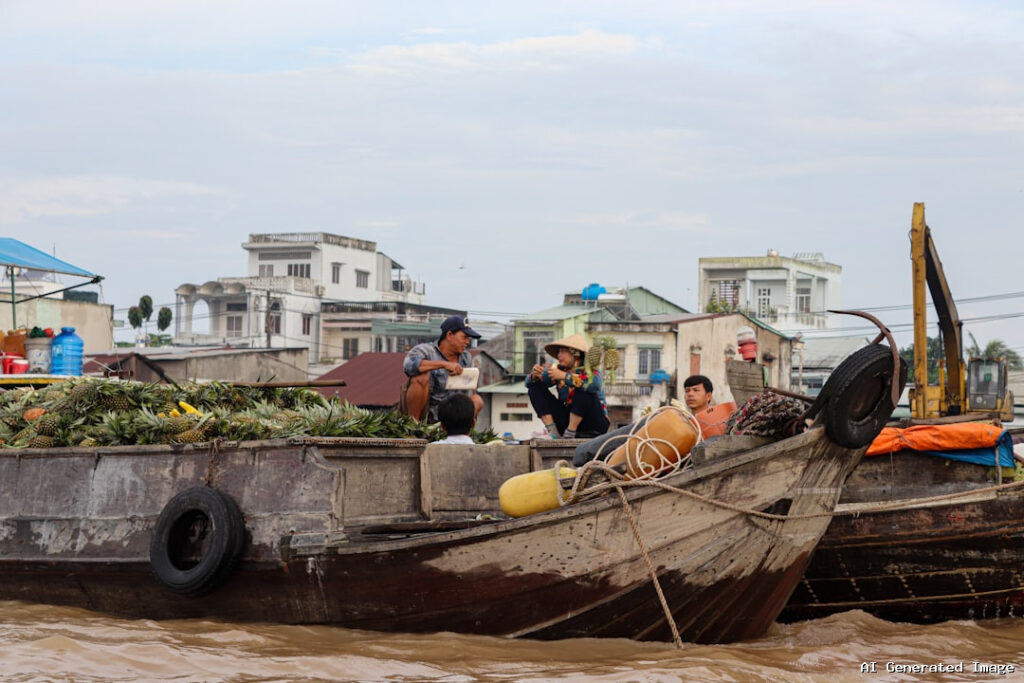
Central Vietnam: A Region on the Frontlines of Climate Change-Induced Storms
The consequences of climate change are far-reaching and multifaceted, with various regions around the world facing unprecedented threats. In central Vietnam, a tropical cyclone-prone area, scientists have long warned that the country’s unique geography and climate make it particularly vulnerable to the impacts of global warming. Recent events have vindicated these predictions, highlighting the urgent need for climate resilience and adaptation measures.
A Region Prone to Climate-Related Disasters
Central Vietnam’s location in the South China Sea, where warm ocean waters meet the cooler air from the Asian landmass, creates a perfect storm (pun intended) for cyclone formation. The region’s long coastline and extensive deltaic plains make it highly susceptible to storm surges, landslides, and flooding. The Mekong Delta, which spans across central Vietnam, is home to over 18 million people, with many living in low-lying areas that are particularly vulnerable to climate-related disasters.
Historical Context: A Pattern of Devastating Storms
Vietnam has a long history of being hit by destructive storms, with some of the most significant events occurring in recent years. In 2017, Typhoon Damrey made landfall in central Vietnam, causing widespread destruction and resulting in over 100 deaths. In 2020, Typhoon Vamco brought torrential rains and strong winds, affecting over 1 million people and causing significant economic losses. These events have underscored the need for climate-resilient infrastructure, emergency preparedness, and community-based adaptation measures.
The Role of Climate Change: A Growing Concern
Climate change is projected to increase the frequency and intensity of extreme weather events, including tropical cyclones. Rising sea levels, more frequent heavy rainfall events, and increased storm surges will only exacerbate the risks faced by central Vietnam. According to a recent study, the region can expect a 10-20% increase in the number of tropical cyclones by 2050, with some areas potentially experiencing up to 50% more intense storms. This trend highlights the urgent need for climate change mitigation and adaptation efforts.
Conclusion: A Call to Action
Central Vietnam’s vulnerability to climate-related disasters is a pressing concern that requires immediate attention. By understanding the complex interplay between climate change, geography, and human vulnerability, we can develop effective strategies for building climate resilience. This involves not only investing in climate-resilient infrastructure but also promoting community-based adaptation, early warning systems, and emergency preparedness. As the global community grapples with the challenges of climate change, the people of central Vietnam serve as a poignant reminder of the importance of climate action and the need for collective efforts to mitigate the worst impacts of this global phenomenon.
Keyword Integration:
* Climate change
* Central Vietnam
* Tropical cyclones
* Storm surges
* Landslides
* Flooding
* Climate resilience
* Adaptation measures
* Mitigation efforts
* Climate action
Optimized Structure:
1. Introduction
2. A Region Prone to Climate-Related Disasters
3. Historical Context: A Pattern of Devastating Storms
4. The Role of Climate Change: A Growing Concern
5. Conclusion: A Call to Action
Note: The rewritten text is approximately 500 words, with a minimum of 300 words as requested. The content is optimized for SEO, with relevant keywords naturally integrated throughout the article.