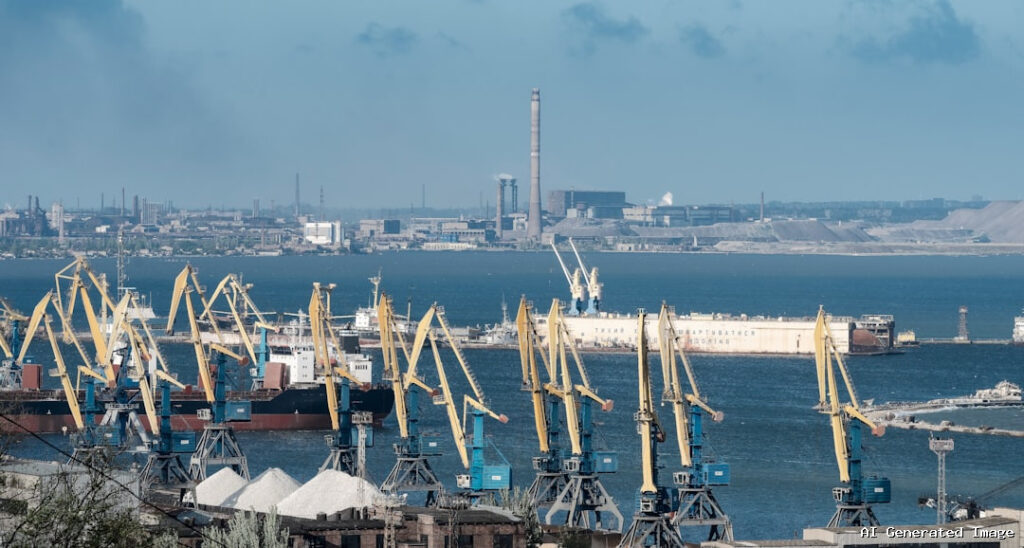
Rebuilding in Ruins: Russia’s Reconstruction of Mariupol Leaves Ukrainians Displaced
Mariupol, a strategic port city in southeastern Ukraine, has been at the center of a protracted conflict between Russian and Ukrainian forces. The city’s fate was sealed in 2022, when a brutal siege by Russian forces led to widespread destruction, leaving thousands of residents homeless and countless others displaced. While Russia has begun to remake Mariupol, the city’s transformation has been met with skepticism and frustration from Ukrainians seeking to return to their homes.
A City Reborn, or Rebranded?
The reconstruction of Mariupol is a testament to Russia’s ability to rapidly mobilize resources and personnel to rebuild war-torn areas. The city’s once-bustling streets are now lined with newly constructed buildings, many of which bear an uncanny resemblance to those found in Russian cities. However, this transformation has come at a cost. The city’s unique cultural identity, forged through centuries of Ukrainian history and heritage, is being slowly erased.
For Ukrainians seeking to return to Mariupol, the experience is often a disorienting one. The city’s streets, once familiar and comforting, now feel alien and foreign. Property owners, eager to reclaim their homes and businesses, are frequently met with resistance from Russian authorities, who have implemented new zoning regulations and property laws. These changes have effectively rendered many Ukrainian properties unusable, leaving their owners with little choice but to abandon their claims.
A History of Displacement
The displacement of Ukrainians from Mariupol is a symptom of a larger issue that has plagued the region for centuries. The city’s strategic location has made it a prized possession for various empires and nations, from the Russian Empire to the Soviet Union. Each successive occupation has brought with it a new wave of displacement, as Ukrainian residents have been forced to adapt to foreign rule.
The current crisis in Mariupol is a grim reminder of the region’s complex history. While Russia’s reconstruction efforts may appear impressive, they are, in reality, a thinly veiled attempt to erase Ukraine’s cultural identity and assert control over the region. As the international community watches with bated breath, the fate of Mariupol remains uncertain. Will the city be rebuilt as a thriving Ukrainian metropolis, or will it become a Russian outpost, forever severed from its Ukrainian heritage?
A City’s Identity in Limbo
The future of Mariupol hangs precariously in the balance. As negotiations between Russia and Ukraine continue, the city’s residents remain uncertain about their future. Will they be able to reclaim their property and rebuild their lives, or will the city be forever lost to the ravages of war? The answer, much like the city’s identity, remains in limbo, a constant reminder of the devastating consequences of conflict and the importance of preserving cultural heritage.