EU Block Approves Commercial Pact After Months of Negotiations
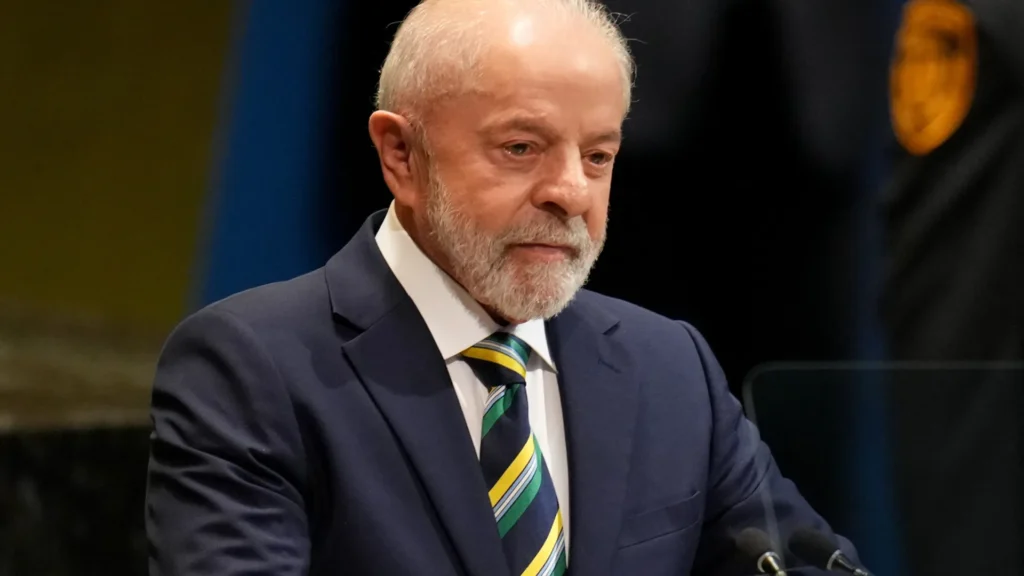
In a significant development, the European Union (EU) has finally approved a commercial pact with Brazil, marking a major milestone in their bilateral relations. The agreement, reached after months of intense negotiations led by Brazilian President Luiz Inácio Lula da Silva, is set to strengthen economic ties between the two regions.
Background and Historical Context
The EU-Brazil commercial pact has been in the works for several years, with both parties engaging in a series of negotiations to establish a comprehensive trade agreement. The talks had stalled on several occasions, primarily due to differences over issues such as market access, intellectual property rights, and sanitary standards. However, the new Brazilian government, led by President Lula, made securing the pact a top priority, recognizing its potential to boost Brazil’s economy and increase its global influence.
The Agreement and Its Provisions
The approved pact, which is expected to be signed in the coming weeks, aims to create a more favorable business environment for companies operating in both regions. Key provisions of the agreement include:
1. **Tariff reductions**: The pact will reduce or eliminate tariffs on a range of goods, including agricultural products, machinery, and manufactured goods.
2. **Increased market access**: European companies will gain easier access to the large Brazilian market, while Brazilian businesses will be able to expand their operations in the EU.
3. **Improved regulatory cooperation**: The two sides have agreed to collaborate more closely on regulatory issues, such as intellectual property protection and competition policy.
Implications and Future Prospects
The approval of the EU-Brazil commercial pact has significant implications for both regions. For Brazil, the agreement is expected to boost exports, attract foreign investment, and create new jobs. The pact will also enhance Brazil’s global influence, particularly in the areas of trade and economic cooperation.
For the EU, the agreement represents an opportunity to strengthen its economic ties with a key partner in the region. The pact will also help to promote European businesses and increase their presence in the Brazilian market.
Conclusion
The EU’s approval of the commercial pact with Brazil marks an important step forward in their bilateral relations. As the two sides move forward to implement the agreement, they will need to work closely together to ensure its successful implementation. The pact has the potential to create jobs, boost exports, and promote economic growth in both regions, and its success will have significant implications for global trade and economic cooperation in the years to come.
Source: Notícias ao Minuto Brasil – Política